
News and Events
Chair’s Message
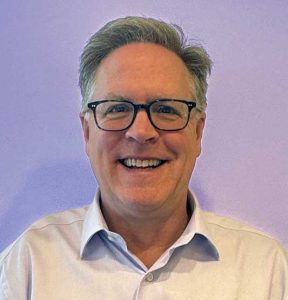 We are moving toward our vision with a number of activities across our various programs. We have updated our strategic plan in response to the 10-year academic program review that we recently completed. For our research-oriented MS and PhD programs, we added a specialization in Data Science. We are completing a curriculum revision for our on line applied clinical informatics MS. The work of our fellows in the clinical informatics fellowship program has received plaudits from clinical administrators and faculty. We are at the beginning of a new cycle of admissions to our graduate programs, and we look forward to another productive year and new growth in our department.
Cordially,
Peter Tarczy-Hornoch, MD
Chair and Professor, Department of Biomedical Informatics and Medical Education
New Global Rankings for UW
In the summer of 2026, the University of Washington was recognized by U.S. News & World Report as one of the best universities in the world.
Biomedical Informatics and Medical Education Newsletter
October 12, 2026 – October 16, 2026
UPCOMING LECTURES AND SEMINARS
BIME 590
Presenter: Jared Erwin, PhD
Thursday, October 22nd – 11-11:50 am
850 Republican Street, Building C, Room 123 A/B
Zoom Information: https://washington.zoom.us/my/bime590
Speaker will present In-Person
Title:
Can an LLM Find the Patients? FHIR Query Accuracy for Clinical Cohort Identification
Abstract:
Clinical research starts with finding the right patients, yet translating a plain-English cohort description into an executable FHIR query demands fluency in both query syntax and the clinical code systems (SNOMED CT, ICD-10, LOINC, RxNorm) in which patients are actually recorded. This talk presents an execution-based benchmark of 108 phenotypes, 72 derived from PheKB algorithms, that scores large language models not on the text of the queries they write but on the patient sets those queries return against a live FHIR server. Closed-book, frontier models reach only moderate accuracy (F1 0.56 to 0.63) and depend heavily on how expertly the request is phrased. Giving the model an agentic loop with server introspection and terminology lookup lifts accuracy and reduces the gap between naive and expert prompts. I first ran the tests on synthetic data and then repeated them using MIMIC-IV data, with a similar pattern of resutls. I will argue that cohort identification is fundamentally a code-coverage problem, explore why clinical codes are something LLMs cannot reliably memorize, and discuss what this means for building clinical data tools.
Presenter Bio:
Jared Erwin, PhD, is a Principal Software Engineer at Microsoft with over 20 years experience developing software in the healthcare field. He holds a PhD in Biomedical Informatics and is a Lecturer in the Department of Biomedical Informatics and Medical Education (BIME) at the University of Washington, where he teaches research methods. His current work focuses on the infrastructure that connects EHR data to AI systems: standards-based clinical data representation (HL7 FHIR), large language models, and agentic workflows that operate on clinical data.
ANNOUNCEMENTS
Greetings BIME faculty, staff, students, and trainees,
Please join us on Thursday, October 29th at The HUB from 3:00 to 6:00pm for an afternoon of bowling and pizza!
We’ve got food, drinks, and prizes, including one for best dressed! That’s a hint—since it’s Halloween weekend, costumes are highly encouraged.
RSVP to help us plan the perfect pizza lineup: RSVP here!
PAPERS, PUBLICATIONS & PRESENTATIONS
- Zeng S, Owens L, Liu LJ, Carlsson S, Fainberg JS, Laudone VP, Schoen MW, Garraway IP, Etzioni R. TrajSurv-mPC: Learning From Prostate-Specific Antigen Trajectories for Interpretable and Generalizable Survival Prediction in Metastatic Prostate Cancer. JCO Clinical Cancer Informatics. 2026 Sep;10(3):e2500328.
COMMUNITY BUILDING
Community Connections In-Person Reception 2026
Wednesday, October 28, 2026 at 4:30 PM until 7:30 PM
Intellectual House
4249 Little Canoe Channel Northeast
Seattle, WA 98105
United States
The Office of Graduate Student Equity & Excellence (GSEE) and the Office of Graduate Student Affairs (GSA) are thrilled to welcome our incoming and returning graduate students to the University of Washington!
Start the academic year off right with good people, good food, and good music for a great time!
Community Connections is an excellent opportunity for our students from diverse experiences and perspectives and first-generation grad students to build connection and community across disciplines. This is a welcoming space to meet peers, expand your network, and cultivate a sense of belonging.
The second half of Community Connections is our In-Person Reception for all new and returning graduate students. Come as you are. Invite other graduate students from your department or come solo and enjoy the company of your fellow graduate community. There will be food, refreshments and music!
Doors open at 4:30 pm and the reception ends promptly at 7:30 pm.
Details and RSVP HERE
_________________________________________
This year’s rendition of Art Neureau is just around the corner! Time to get out the art supplies and exercise your creative muscles!
Art Neureau is an annual neuroscience-themed art show organized every year by students/staff associated with the neuroscience graduate program at the University of Washington. This year it will be held at the Fremont Abbey on Thursday, October 29.
Submissions will be accepted until THURSDAY, OCTOBER 22. Pieces do not have to be completed by this time; however, if you are intending to submit a piece, you should fill out this form by that deadline. Anyone can submit a piece — the only rule is that all artwork must be neuroscience-related in some way! (So please include how your piece accomplishes this in the description.) Depending upon the volume of submissions, acceptance may be limited, with preference given to new pieces (i.e. those not shown in previous years) and to pieces by those affiliated with UW Neuroscience.
If accepted, your artwork must be completed by the night of Art Neureau, THURSDAY OCTOBER 29. Artwork will need to be dropped off at UW campus, details TBD, or brought to the Fremont Abbey the night of the show. Any question about submission requirements or the exhibit in general can be directed to neubehart@gmail.com. If you’d like to contribute a musical performance to the event, please email us as well! We’d love to have you on stage.
Here’s to another year of awesome science-art fusion!
Thanks!
Team Art Neureau
You can submit your art bit.ly/artneureau26
October 5, 2026 – October 9, 2026
UPCOMING LECTURES AND SEMINARS
BIME 590
Presenter: Dr Denis Newman-Griffis, PhD (they/them)
Thursday, October 15th – 11-11:50 am
850 Republican Street, Building C, Room 123 A/B
Zoom Information: https://washington.zoom.us/my/bime590
Speaker will present In-person
Title:
Disability data justice and informatics: Unlocking, bridging, and enabling representative data with AI
Abstract:
Disability is an everyday experience, but social marginalization of people with disabilities is often reflected in data that fail to represent disabled identities and stories. The flexibility and modeling power of AI technologies can help unlock richer, more multidimensional disability-related data; equally, uncritical approaches to data and AI risk embedding structural ableism into digital decision making. This talk will unpack technical approaches and critical insights from a decade of research at the intersection of disability, data, and AI, and illustrate pathways towards more equitable data futures. I will illustrate the growing role of natural language processing methods to understand functional limitations and disability impacts, and argue for person-centred, multimodal approaches as the future of AI for human function and disability.
Presenter Bio:
Dr Denis Newman-Griffis is Senior Lecturer (Associate Professor) and AI for Health Lead in the University of Sheffield Centre for Machine Intelligence. Their interdisciplinary research is advancing the cutting edge in responsible AI for the public sector, AI for function and disability, and responsible AI education. Dr Newman-Griffis is a British Academy Innovation Fellow, an Expert Exchange Fellow in the Department for Business, Science, Innovation and Trade, and a former Pre-Doctoral and Post-Doctoral Fellow in the NIH Clinical Center. Their research on domain-adapted language modeling for human function and disability was recognized with the American Medical Informatics Association Doctoral Dissertation Award.
_________________________________________
October 2026 UW Medical AI & Data Science Journal Club
Monday, October 12, 2026: 1:00pm Pacific Time
Presenter Asa Gilmore will discuss the paper: Position: Epistemic uncertainty estimation methods are fundamentally incomplete
Join us in person: F107, 750 Republican St, Seattle 98109
-or-
via Zoom: https://washington.zoom.us/j/92158637394?pwd=pi87aK9LVz5Jx7KTPgVq0SX7d2xNIL.1
Meeting ID: 921 5863 7394
Passcode: 424586
Bio: Asa is from Seattle, WA, and is currently a senior at the University of Washington studying Mathematics. Prior to working at the Computational Ophthalmology Lab, he spent three years at the UW Neuroinformatics Research and Development Group, where he worked on building software tools for various brain MRI analysis techniques and training a foundation model for anatomical brain MRI. He is currently working on doing survival analysis for Uveal melanoma from ultra widefield optos images.
The UW Medical AI & Data Science Journal Club is led by Acting Assistant Professor, Yue Wu, PhD, UW Medicine Computational Ophthalmology Lab. Our journal club is open to all who are interested, providing an opportunity to exchange ideas, ask questions, and critique scientific methods related to artificial intelligence and big data that support our collective goal of creating better health.
We meet 2nd Mondays, 1-2pm Pacific Time in person and via zoom. At each meeting, the presenter provides an overview of a paper they selected, providing their thoughts and interpretation, and then the presentation is followed by questions and discussion among participants.
We are seeking additional presenters for 2026-2027. If you are interested in presenting or would like to be added to our mailing list, please contact Yue Wu, PhD
ANNOUNCEMENTS
Please join us in congratulating Chak Charoensilpchai who successfully passed his final dissertation defense!
Title: mHealth Adoption and System Integration in Thailand’s Primary Care: A Sequential Mixed-Methods Study of Sor Or Nor Buddy
Abstract: Mobile health (mHealth) applications may strengthen primary care by supporting community-based documentation, patient follow up, clinical decision-making, and care coordination. Their value, however, depends on whether they fit frontline workers and connect with existing health information systems. When applications operate separately from local databases, hospital systems, and paper records, they can create additional technical, workflow, and administrative burdens for frontline workers.
This dissertation examines mHealth adoption and system integration in Thailand’s public primary care system through a three-stage mixed-methods study of the Ministry of Public Health-supported Sor Or Nor Buddy mHealth application.
First, a scoping review of 30 peer-reviewed studies of mHealth applications used by community health workers in low- and middle-income countries found that 29 studies lacked evidence of full interoperability within national health information systems
Second, a mixed-methods survey of 128 Thai primary care workers found that perceived usefulness, ease of use, social influence, and facilitating conditions were associated with intention to use Sor Or Nor Buddy, while participants also reported duplicate documentation, incomplete system integration, and administrative burden.
Third, qualitative in-depth interviews with 14 workers showed unreliable connectivity, repetitive data entry, reporting requirements, privacy concerns, and limited access to clinical information shaped their daily use.
Overall, findings show that app-level usability alone is insufficient for sustainable mHealth implementation. Effective digital transformation in primary care requires interoperable systems, reliable infrastructure, reduced documentation burden, appropriate data governance safeguards, and end-user participation in design and implementation. The dissertation proposes a human-centered design roadmap to strengthen mHealth development and implementation in Thailand and similar primary care settings.
_________________________________________
On December 9, ISB is hosting its Frontiers in Computational Biology Symposium focusing on AI, Multi-Omics, and the Future of Human Health. The program features researchers exploring how these rapidly advancing fields are shaping the future of human health. The full program, speaker lineup and registration information can be found at https://isbscience.org/events/frontiers-in-computational-biology.
_________________________________________
This year’s rendition of Art Neureau is just around the corner! Time to get out the art supplies and exercise your creative muscles!
Art Neureau is an annual neuroscience-themed art show organized every year by students/staff associated with the neuroscience graduate program at the University of Washington. This year it will be held at the Fremont Abbey on Thursday, October 29.
Submissions will be accepted until THURSDAY, OCTOBER 22. Pieces do not have to be completed by this time; however, if you are intending to submit a piece, you should fill out this form by that deadline. Anyone can submit a piece — the only rule is that all artwork must be neuroscience-related in some way! (So please include how your piece accomplishes this in the description.) Depending upon the volume of submissions, acceptance may be limited, with preference given to new pieces (i.e. those not shown in previous years) and to pieces by those affiliated with UW Neuroscience.
If accepted, your artwork must be completed by the night of Art Neureau, THURSDAY OCTOBER 29. Artwork will need to be dropped off at UW campus, details TBD, or brought to the Fremont Abbey the night of the show. Any question about submission requirements or the exhibit in general can be directed to neubehart@gmail.com. If you’d like to contribute a musical performance to the event, please email us as well! We’d love to have you on stage.
Here’s to another year of awesome science-art fusion!
Thanks!
Team Art Neureau
You can submit your art bit.ly/artneureau26
PAPERS, PUBLICATIONS & PRESENTATIONS
- Sydney P. Sharp, Tianmai M. Zhang, Douglas Taren, et al. Effectiveness of an Extension for Community Healthcare Outcomes (ECHO) Case-Based Virtual Community of Practice Model on Patient Outcomes for the Management of Long COVID and Other Fatiguing Illnesses: A Randomized Control Trial. Accepted at Frontiers in Health Services. Abstract available at https://www.frontiersin.org/journals/health-services/articles/10.3389/frhs.2026.1912240/abstract
- Feng Chen, Ritam Dutt, Aynaz Taheri, Alex Williams, Lost in the Request: How Communication Variation Disrupts Retrieval and Action in Email Agents. https://arxiv.org/abs/2610.02627. Accepted by the Workshop on Evaluation of Interactive Agents (IAEval) @ NeurIPS 2026.
- Li LX, Bleker C, Soliman S, Calzone L, Hiroi N, Helikar T, Konig M, Ladeira L, Noel V, Salazar A, Safranek D, Theiffry D, Tsirvouli E, Niarkis A, & Gennari JH (in press). TabularQual: A spreadsheet-based format for annotating and curating logical models in SBML-qual. NPJ Systems Biology and Applications
COMMUNITY BUILDING
Bioscience Careers Seminar Series
The Bioscience Careers Seminar Series is back by popular demand! Now led by the PhD Ambassadors in collaboration with the Office of Research and Graduate Education and Life Science Washington, the series will allow graduate students to explore careers and build professional connections with biotech and pharmaceutical companies within Washington state. PhD training prepares you for many different jobs, both inside and outside the academy. During this year’s Bioscience Careers Seminar Series, we’ll highlight experiences of scientists who’ve transitioned from their PhD to various careers in one of our local companies.
Next session
Speaker: Ellen Kuwana, Kuwana Consulting
Date: October 21, 4-5pm
Location:: SLU Orin Smith Auditorium, 850 Republican Street
September 28, 2026 – October 2, 2026
UPCOMING LECTURES AND SEMINARS
No BIME 590 on October 8th, next session October 15th
_________________________________________
October 2026 UW Medical AI & Data Science Journal Club
Monday, October 12, 2026: 1:00pm Pacific Time
Presenter Asa Gilmore will discuss the paper: Position: Epistemic uncertainty estimation methods are fundamentally incomplete
Join us in person: F107, 750 Republican St, Seattle 98109
-or-
via Zoom: https://washington.zoom.us/j/92158637394?pwd=pi87aK9LVz5Jx7KTPgVq0SX7d2xNIL.1
Meeting ID: 921 5863 7394
Passcode: 424586
Bio: Asa is from Seattle, WA, and is currently a senior at the University of Washington studying Mathematics. Prior to working at the Computational Ophthalmology Lab, he spent three years at the UW Neuroinformatics Research and Development Group, where he worked on building software tools for various brain MRI analysis techniques and training a foundation model for anatomical brain MRI. He is currently working on doing survival analysis for Uveal melanoma from ultra widefield optos images.
The UW Medical AI & Data Science Journal Club is led by Acting Assistant Professor, Yue Wu, PhD, UW Medicine Computational Ophthalmology Lab. Our journal club is open to all who are interested, providing an opportunity to exchange ideas, ask questions, and critique scientific methods related to artificial intelligence and big data that support our collective goal of creating better health.
We meet 2nd Mondays, 1-2pm Pacific Time in person and via zoom. At each meeting, the presenter provides an overview of a paper they selected, providing their thoughts and interpretation, and then the presentation is followed by questions and discussion among participants.
We are seeking additional presenters for 2026-2027. If you are interested in presenting or would like to be added to our mailing list, please contact Yue Wu, PhD
UPCOMING EXAMS
Final Exam
Title: mHealth Adoption and System Integration in Thailand’s Primary Care: A Sequential Mixed-Methods Study of Sor Or Nor Buddy
Student: Chak Charoensilpchai
Date/Time: Tuesday, October 6, 8-10am PT
In-Person Location: HSEB – Health Sciences Education Building, HSEB 426
Zoom: https://washington.zoom.us/j/99323566318
Abstract: Mobile health (mHealth) applications may strengthen primary care by supporting community-based documentation, patient follow up, clinical decision-making, and care coordination. Their value, however, depends on whether they fit frontline workers and connect with existing health information systems. When applications operate separately from local databases, hospital systems, and paper records, they can create additional technical, workflow, and administrative burdens for frontline workers.
This dissertation examines mHealth adoption and system integration in Thailand’s public primary care system through a three-stage mixed-methods study of the Ministry of Public Health-supported Sor Or Nor Buddy mHealth application.
First, a scoping review of 30 peer-reviewed studies of mHealth applications used by community health workers in low- and middle-income countries found that 29 studies lacked evidence of full interoperability within national health information systems
Second, a mixed-methods survey of 128 Thai primary care workers found that perceived usefulness, ease of use, social influence, and facilitating conditions were associated with intention to use Sor Or Nor Buddy, while participants also reported duplicate documentation, incomplete system integration, and administrative burden.
Third, qualitative in-depth interviews with 14 workers showed unreliable connectivity, repetitive data entry, reporting requirements, privacy concerns, and limited access to clinical information shaped their daily use.
Overall, findings show that app-level usability alone is insufficient for sustainable mHealth implementation. Effective digital transformation in primary care requires interoperable systems, reliable infrastructure, reduced documentation burden, appropriate data governance safeguards, and end-user participation in design and implementation. The dissertation proposes a human-centered design roadmap to strengthen mHealth development and implementation in Thailand and similar primary care settings.
PAPERS, PUBLICATIONS & PRESENTATIONS
- Tianmai M Zhang, Hoda Shajari, Amr Hendy, et al. Failure Broadens, Success Sharpens: Continual Adaptation of Tool-Use Agents Across Diverse Tasks with Dual-Polarity Memory. Accepted at NeurIPS 2026 Workshop: Towards Test-Time Continual Learning Agents.
COMMUNITY BUILDING
U DISTRICT CHOW DOWN & STREET PARTY
Join U District restaurants on Saturday, October 3, 2026 for the sixth annual food walk and street party to sample from restaurants with $6 bites across the neighborhood. This event is produced by The U District Partnership who brings together local eateries, entertainers, and businesses to create a fun day with live music in the U District.
_________________________________________
KEMi Inaugural Symposium
Please join us for the inaugural KEMi symposium, bringing together faculty, students, industry partners, and leadership from across academia, healthcare, and the broader Pacific Northwest community. This collaboration between the UW School of Medicine and the UW College of Engineering advances engineering-based approaches to medicine, with the ambition of changing how disease is detected, treated, and prevented.
Event Details and RSVP HERE
September 21, 2026 – September 25, 2026
UPCOMING LECTURES AND SEMINARS
BIME 590
Presenter: Peter Tarczy-Hornoch, MD, FACMI
Thursday, October 1st – 11-11:50 am
850 Republican Street, Building C, Room 123 A/B
Zoom Information: https://washington.zoom.us/my/bime590
Speaker will present In-Person
Title:
2026 BIME Vision, History, Strategic Plan and Praxis
Abstract:
The presentation will provide an overview of the Department of Biomedical Informatics and Medical Education through the lens of the current strategic plan. The overview will include vision, history and evolution looking at the synergy between research, education and practice (praxis) as well as the synergy between practice, applied research and foundational research. Within each area (research, praxis, education) current activities and future plans will be reviewed.
Presenter Bio:
Peter Tarczy-Hornoch has 45 years of experience in computer science, over 40 years in biomedical informatics and over 20 years in clinical medicine (pediatrics and neonatology). He has been at the University of Washington since 1992, serving as Head of the Division of Biomedical and Health Informatics since 2001 and serving as Chair of the Department of Biomedical Informatics and Medical Education since 2011. He has served in a variety of operational leadership roles in UW Medicine IT Services since 1992 in the analytics, research, and clinical computing domains, including Chief of Research and Data Integration (2005-15), Chief Data Officer (2022-2026), and Chief Research Information Officer (2024-26). He has played a leadership role in the creation and evolution of the BIME educational programs (undergraduate (joint with iSchool), MS/PhD, postdoctoral, applied clinical informatics MS (CIPCT) joint with Nursing, Clinical Informatics Fellowship joint with Family Medicine). He has led a number of key initiatives in informatics practice (praxis) including the areas of telemedicine, digital library, electronic medical records, data warehousing, analytics, clinical research informatics). His unifying theme of research over the last three decades has been data integration of multimodal electronic biomedical data (clinical, genomic and other data) both for a) knowledge discovery and b) in order to integrate this knowledge with clinical data at the point of care for decision support. His current research focuses on a) secondary use of electronic medical record (EMR) for translational research including outcomes research, learning healthcare systems, patient accrual based on complex phenotypic eligibility criteria, b) the use of EMR systems for cross institutional comparative effectiveness research, and c) integration of genomic data into the EMR for clinical decision support.
_________________________________________
October 2026 UW Medical AI & Data Science Journal Club
Monday, October 12, 2026: 1:00pm Pacific Time
Presenter Asa Gilmore will discuss the paper: Position: Epistemic uncertainty estimation methods are fundamentally incomplete
Join us in person: F107, 750 Republican St, Seattle 98109
-or-
via Zoom: https://washington.zoom.us/j/92158637394?pwd=pi87aK9LVz5Jx7KTPgVq0SX7d2xNIL.1
Meeting ID: 921 5863 7394
Passcode: 424586
Bio: Asa is from Seattle, WA, and is currently a senior at the University of Washington studying Mathematics. Prior to working at the Computational Ophthalmology Lab, he spent three years at the UW Neuroinformatics Research and Development Group, where he worked on building software tools for various brain MRI analysis techniques and training a foundation model for anatomical brain MRI. He is currently working on doing survival analysis for Uveal melanoma from ultra widefield optos images.
The UW Medical AI & Data Science Journal Club is led by Acting Assistant Professor, Yue Wu, PhD, UW Medicine Computational Ophthalmology Lab. Our journal club is open to all who are interested, providing an opportunity to exchange ideas, ask questions, and critique scientific methods related to artificial intelligence and big data that support our collective goal of creating better health.
We meet 2nd Mondays, 1-2pm Pacific Time in person and via zoom. At each meeting, the presenter provides an overview of a paper they selected, providing their thoughts and interpretation, and then the presentation is followed by questions and discussion among participants.
We are seeking additional presenters for 2026-2027. If you are interested in presenting or would like to be added to our mailing list, please contact Yue Wu, PhD
UPCOMING EXAMS
Final Exam
Title: mHealth Adoption and System Integration in Thailand’s Primary Care: A Sequential Mixed-Methods Study of Sor Or Nor Buddy
Student: Chak Charoensilpchai
Date/Time: Tuesday, October 6, 8-10am PT
In-Person Location: HSEB – Health Sciences Education Building, HSEB 426
Zoom: https://washington.zoom.us/j/99323566318
Abstract: Mobile health (mHealth) applications may strengthen primary care by supporting community-based documentation, patient follow up, clinical decision-making, and care coordination. Their value, however, depends on whether they fit frontline workers and connect with existing health information systems. When applications operate separately from local databases, hospital systems, and paper records, they can create additional technical, workflow, and administrative burdens for frontline workers.
This dissertation examines mHealth adoption and system integration in Thailand’s public primary care system through a three-stage mixed-methods study of the Ministry of Public Health-supported Sor Or Nor Buddy mHealth application.
First, a scoping review of 30 peer-reviewed studies of mHealth applications used by community health workers in low- and middle-income countries found that 29 studies lacked evidence of full interoperability within national health information systems
Second, a mixed-methods survey of 128 Thai primary care workers found that perceived usefulness, ease of use, social influence, and facilitating conditions were associated with intention to use Sor Or Nor Buddy, while participants also reported duplicate documentation, incomplete system integration, and administrative burden.
Third, qualitative in-depth interviews with 14 workers showed unreliable connectivity, repetitive data entry, reporting requirements, privacy concerns, and limited access to clinical information shaped their daily use.
Overall, findings show that app-level usability alone is insufficient for sustainable mHealth implementation. Effective digital transformation in primary care requires interoperable systems, reliable infrastructure, reduced documentation burden, appropriate data governance safeguards, and end-user participation in design and implementation. The dissertation proposes a human-centered design roadmap to strengthen mHealth development and implementation in Thailand and similar primary care settings.
COMMUNITY BUILDING
BIME Welcome Reception
We hope you can make it to this year’s annual BIME reception to welcome everyone back and welcome our incoming students, postdocs, and fellows! Refreshments will be served.
When: Tuesday, September 29th from 4:30-6:00 PM
Where: SLU Building C, 1st floor Key Bank Lounge (behind parking ticket kiosk and parking lot elevators)
_________________________________________
Fall 2026 International Graduate Student Welcome Mixer
Date: Friday, October 9, 2026
Time: 4:00 PM – 6:00 PM
Location: Husky Union Building (HUB), Room Lyceum, UW Seattle Campus
Address: 4001 E. Stevens Way NE, Seattle, WA 98195
Calling all new and returning international master’s and doctoral students! Join us for an afternoon of connection, community, food, games, and prizes while meeting fellow Huskies and exploring valuable campus resources.
During this two-hour mixer, you’ll have the chance to:
- Discover campus resources designed to support international graduate students.
- Network with peers from a variety of disciplines and backgrounds.
- Enjoy food, games, and prizes in a welcoming and festive atmosphere.
RSVP is required: https://forms.cloud.microsoft/r/Xn3xAEV8bV.
September 14, 2026 – September 18, 2026
UPCOMING LECTURES AND SEMINARS
BIME 590 – See you in fall quarter – 10/1/2026!
_________________________________________
September 2026 UW Medical AI & Data Science Journal Club
Monday, September 21, 2026: 1:00pm Pacific Time
Presenter Faiz Moazzam will discuss the paper: Development and validation of a deep learning model to predict visual and anatomical prognosis of anti-VEGF therapy for neovascular age-related macular degeneration (KongMing Study): a prospective, nationwide, multicentre study
Join us in person: F107, 750 Republican St, Seattle 98109
-or-
via Zoom: https://washington.zoom.us/j/92158637394?pwd=pi87aK9LVz5Jx7KTPgVq0SX7d2xNIL.1
Meeting ID: 921 5863 7394
Passcode: 424586
Bio: Faiz Moazzam is an incoming second-year student. He joined the Computational Ophthalmology Lab in October 2025 and presented his work earlier this year at ARVO 2026. Faiz is currently finalizing his first manuscript and recently participated in a summer fellowship in biomedical machine learning. Faiz is excited to explore the connections between ophthalmology and retinal biomarkers for Alzheimer’s/dementia, and especially how it connects to machine learning. He is looking for new opportunities to learn and grow as a student and engineer and is excited to connect and collaborate. https://www.linkedin.com/in/faiz-moazzam/
ANNOUNCEMENTS
BIME Welcome Reception
We hope you can make it to this year’s annual BIME reception to welcome everyone back and welcome our incoming students, postdocs, and fellows! Refreshments will be served.
When: Tuesday, September 29th from 4:30-6:00 PM
Where: SLU Building C, 1st floor Key Bank Lounge (behind parking ticket kiosk and parking lot elevators)
UPCOMING EXAMS
Final Exam
Title: mHealth Adoption and System Integration in Thailand’s Primary Care: A Sequential Mixed-Methods Study of Sor Or Nor Buddy
Student: Chak Charoensilpchai
Date/Time: Tuesday, October 6, 8-10am PT
In-Person Location: HSEB – Health Sciences Education Building, HSEB 426
Zoom: https://washington.zoom.us/j/99323566318
Abstract: Mobile health (mHealth) applications may strengthen primary care by supporting community-based documentation, patient follow up, clinical decision-making, and care coordination. Their value, however, depends on whether they fit frontline workers and connect with existing health information systems. When applications operate separately from local databases, hospital systems, and paper records, they can create additional technical, workflow, and administrative burdens for frontline workers.
This dissertation examines mHealth adoption and system integration in Thailand’s public primary care system through a three-stage mixed-methods study of the Ministry of Public Health-supported Sor Or Nor Buddy mHealth application.
First, a scoping review of 30 peer-reviewed studies of mHealth applications used by community health workers in low- and middle-income countries found that 29 studies lacked evidence of full interoperability within national health information systems
Second, a mixed-methods survey of 128 Thai primary care workers found that perceived usefulness, ease of use, social influence, and facilitating conditions were associated with intention to use Sor Or Nor Buddy, while participants also reported duplicate documentation, incomplete system integration, and administrative burden.
Third, qualitative in-depth interviews with 14 workers showed unreliable connectivity, repetitive data entry, reporting requirements, privacy concerns, and limited access to clinical information shaped their daily use.
Overall, findings show that app-level usability alone is insufficient for sustainable mHealth implementation. Effective digital transformation in primary care requires interoperable systems, reliable infrastructure, reduced documentation burden, appropriate data governance safeguards, and end-user participation in design and implementation. The dissertation proposes a human-centered design roadmap to strengthen mHealth development and implementation in Thailand and similar primary care settings.
PAPERS, PUBLICATIONS & PRESENTATIONS
- Islam H, Jayarman P, Reid N et al. The Roles of Biomedical Informatics for an Equitable Learning Health System: Lessons from a Year of Scientific Informatics Literature. Methods Inf Med. DOI: 10.1055/a-2937-0980
https://www.thieme-connect.com/products/ejournals/html/10.1055/a-2937-0980
- AMIA iKnow Fireside Chat between Nick Reid (UW) and Laura Wiley (WashU) about how building life-long connections, through “being open to opportunities, but also support and friendships…” can completely change one’s trajectory, professional and personal, in most unexpected ways! (and baking cupcakes)
https://open.spotify.com/show/5ZxV8DHYYriVZP3UJdXhnk
- Liu, J. Gu, Z. Chen, B. Chu, L. Liu, T. Morrison, R.R. Butler, J. Edelson, J. Li, F.M. Longo, H. Tang, I. Ionita-Laza, C. Sabatti, E. Candès, & Z. He, Uncovering heterogeneous effects via localized feature selection, Proc. Natl. Acad. Sci. U.S.A. 123 (38) e2527033123, https://doi.org/10.1073/pnas.2527033123 (2026).
August 17, 2026 – August 21, 2026
UPCOMING LECTURES AND SEMINARS
BIME 590 – See you in fall quarter – 10/1/2026!
_________________________________________
September 2026 UW Medical AI & Data Science Journal Club
Monday, September 21, 2026: 1:00pm Pacific Time
Presenter Faiz Moazzam will discuss the paper: Development and validation of a deep learning model to predict visual and anatomical prognosis of anti-VEGF therapy for neovascular age-related macular degeneration (KongMing Study): a prospective, nationwide, multicentre study
Join us in person: F107, 750 Republican St, Seattle 98109
-or-
via Zoom: https://washington.zoom.us/j/92158637394?pwd=pi87aK9LVz5Jx7KTPgVq0SX7d2xNIL.1
Meeting ID: 921 5863 7394
Passcode: 424586
Bio: Faiz Moazzam is an incoming second-year student. He joined the Computational Ophthalmology Lab in October 2025 and presented his work earlier this year at ARVO 2026. Faiz is currently finalizing his first manuscript and recently participated in a summer fellowship in biomedical machine learning. Faiz is excited to explore the connections between ophthalmology and retinal biomarkers for Alzheimer’s/dementia, and especially how it connects to machine learning. He is looking for new opportunities to learn and grow as a student and engineer and is excited to connect and collaborate. https://www.linkedin.com/in/faiz-moazzam/
_________________________________________
The UW Medical AI & Data Science Journal Club is led by Acting Assistant Professor, Yue Wu, PhD, , UW Medicine Computational Ophthalmology Lab. Our journal club is open to all who are interested, providing an opportunity to exchange ideas, ask questions, and critique scientific methods related to artificial intelligence and big data that support our collective goal of creating better health.
We generally meet on 2nd Mondays, 1-2pm Pacific Time in person and via zoom (exception: 3rd Monday in September 2026). At each meeting, the presenter provides an overview of a paper they selected, providing their thoughts and interpretation, and then the presentation is followed by questions and discussion among participants.
We are seeking additional presenters for 2026-2027. If you are interested in presenting or would like to be added to our mailing list, please contact Yue Wu, PhD
ANNOUNCEMENTS
The University of Washington Institute for Medical Data Science is excited to announce the winners of the 2026-27 Pilot Awards. Now in its fourth year, the Pilot Award initiative seeks to stimulate research that enhances UW real-world data from the Electronic Medical Record and other sources of patient data. Awardees were chosen from a wide range of applicants across many fields. This year’s recipients are working toward improving personalized chemotherapy medication preparation, towards predicting rearrest incidents following out-of-hospital cardiac arrest, as well as developing approaches to safer and broader access to anti-amyloid Alzheimer’s therapy.
The winners of the 2026-2027 IMDS Pilot Awards are:
Hesamoddin Jahanian, with Ali Shojaie and Thomas Grubowski
‘Individualized Prediction of Amyloid-Related Imaging Abnormalities (ARIA) for Safer and Broader Access to Anti-Amyloid Alzheimer’s Therapy’
Nicholas Johnson, with Chen Liang and Daniel To
‘Multimodal Biosignal Analysis for Prediction of Rearrest Following Out-of-Hospital Cardiac Arrest’
Kelly Michaelsen, with Stanley Tan and Anthony Lee
‘Computer Vision to Automate Assessment of Personalized Chemotherapy Medication Preparation to Prevent Medication Errors’
You can read more about their projects and IMDS Pilot Awards in general at the below link:
2026 Pilot Award Recipients | University of Washington Institute of Medical Data Science
_________________________________________
Natera is seeking an innovative and driven bioinformatics scientist to lead and conduct cutting-edge real-world evidence (RWE) analyses and predictive analytics across oncology, organ health, and women’s health datasets. This unique role blends expertise in bioinformatics, artificial intelligence (AI), machine learning (ML), and the manipulation of complex real-world data (RWD). Candidate will leverage advanced AI methodologies to extract actionable clinical insights from vast multimodal datasets (genomics, clinical, demographic), driving impactful data visualization and advancing our application of genomics in a real-world clinical setting. The ideal candidate should have strong project management skills, and a keen eye for visualizing complex data in an impactful way to advance our understanding and application of genomics in a real-world setting.
For Full Details and to apply: https://job-boards.greenhouse.io/natera/jobs/6128396004
_________________________________________
JP Giliberto (Assistant CCIO for Surgery) was senior author and Teresa Kim (former CI fellow and otolaryngologist/informatician at Seattle Childrens) was first author on an important multi center study of EHR documentation burden by gender and academic rank (46 academic departments of otolaryngology). They found that female junior faculty spent almost twice as much time in documentation tasks associated with ambulatory visits than their male senior faculty colleagues. Male senior faculty received more assistance with notes and orders than their junior female colleagues.
Kim T, Abdel-Aty Y, Akkina SR, et al. Gender and academic rank disparities in electronic health record burden among otolaryngologists. The Laryngoscope 2026. 136(suppl): S7-S20.
This study builds on previous single institution studies that suggested similar gender gaps.
PAPERS, PUBLICATIONS & PRESENTATIONS
- STCCP: A Modular, Scalable Pipeline for Single-Cell Spatial Transcriptomic Profiling of the Glioblastoma Tumor Microenvironment” (Zeng, W., Schneidereit, E., Reichel, C., Ernau, F., Oyaizu, S., Damodarasamy, M., Wilson, A., Keene, C., Phuong, J., Galbraith, K.), was accepted as a poster for presentation at the 2026 AMP Annual Meeting & Expo, to be held November 10-14.
COMMUNITY BUILDING
Research After Dark: Happy Hour
Research after Dark (RAD) Networking is holding a community building and networking no-hosted happy hour on Thursday, August 27 at 5 pm, at Flatstick Pub located at 609 Westlake Ave N, Seattle, WA 98109. This is a great opportunity to network with Seattle area professionals and trainees!
RAD Networking group is led by graduate students and postdocs from Fred Hutch, Seattle Children’s and UW organizing networking events for trainees in the Seattle area.
August 10, 2026 – August 14, 2026
UPCOMING LECTURES AND SEMINARS
BIME 590 – See you in fall quarter – 10/1/2026!
_________________________________________
September 2026 UW Medical AI & Data Science Journal Club
Monday, September 21, 2026: 1:00pm Pacific Time
Presenter Faiz Moazzam will discuss the paper: Development and validation of a deep learning model to predict visual and anatomical prognosis of anti-VEGF therapy for neovascular age-related macular degeneration (KongMing Study): a prospective, nationwide, multicentre study
Join us in person: F107, 750 Republican St, Seattle 98109
-or-
via Zoom: https://washington.zoom.us/j/92158637394?pwd=pi87aK9LVz5Jx7KTPgVq0SX7d2xNIL.1
Meeting ID: 921 5863 7394
Passcode: 424586
Bio: Faiz Moazzam is an incoming second-year student. He joined the Computational Ophthalmology Lab in October 2025 and presented his work earlier this year at ARVO 2026. Faiz is currently finalizing his first manuscript and recently participated in a summer fellowship in biomedical machine learning. Faiz is excited to explore the connections between ophthalmology and retinal biomarkers for Alzheimer’s/dementia, and especially how it connects to machine learning. He is looking for new opportunities to learn and grow as a student and engineer and is excited to connect and collaborate. https://www.linkedin.com/in/faiz-moazzam/
_________________________________________
The UW Medical AI & Data Science Journal Club is led by Acting Assistant Professor, Yue Wu, PhD, , UW Medicine Computational Ophthalmology Lab. Our journal club is open to all who are interested, providing an opportunity to exchange ideas, ask questions, and critique scientific methods related to artificial intelligence and big data that support our collective goal of creating better health.
We generally meet on 2nd Mondays, 1-2pm Pacific Time in person and via zoom (exception: 3rd Monday in September 2026).
At each meeting, the presenter provides an overview of a paper they selected, providing their thoughts and interpretation, and then the presentation is followed by questions and discussion among participants.
We are seeking additional presenters for 2026-2027. If you are interested in presenting, or would like to be added to our mailing list, please contact Emily Heindsmann.
ANNOUNCEMENTS
Please join us in congratulating Wesley Surento who successfully passed his final defense!
Title: Quantitative MR Imaging Markers for Breast Cancer Risk Prediction
Abstract: Breast cancer risk assessment can help early prediction and intervention planning, lower mortality, and improve care outcomes. Many current tools utilize risk factors such as age, menopausal status, personal biopsy history, and family history of breast cancer. Although these characteristics do a reasonable job at capturing risk, they omit all information from imaging studies such as mammograms or MRIs. Even when negative for disease, analysis of these images could provide a number of markers that might also capture risk. There remains much unexplored potential in leveraging imaging markers as part of risk assessment models for prevention and early prediction.
In this work, we aim to develop and assess a new risk prediction model that incorporates MRI-derived features along with clinical risk factors.
In the first step, I collected relevant risk factors for predicting cancer within 5 years from the MRI for a cohort of high-risk patients. I built a REDcap data repository to store their clinical risk factors obtained from electronic health records, such as select demographic information, menopausal status, BRCA mutation, and family history of breast cancer.
In the second step, I identified predictive quantitative breast MRI markers. I extracted quantitative markers of background parenchymal enhancement using an image processing pipeline which I helped develop, and proceeded to assess their ability to predict 5-year cancer risk.
In the third step, I performed multimodal combination of imaging markers and clinical risk factors to predict 5-year cancer. We also explored the performance of these combinations for several cohort subsets. Our findings showed that multimodal combination of imaging markers can improve the predictive performance of a conventional risk assessment tool.
_________________________________________
Janice Sabin: The results of our COVID-19 Stigma study are featured on UW Newsroom this week. This was a qualitative study exploring the perceptions and experiences of frontline healthcare workers during the COVID-19 pandemic. The study found that COVID-19 stigma affected both patients and clinicians. Participants identified factors that contributed to stigma and offered insights in how to reduce stigma in future public health emergencies.
https://newsroom.uw.edu/news-releases/healthcare-workers-reflect-on-covid-19-stigma/
PAPERS, PUBLICATIONS & PRESENTATIONS
- Edelson J, Ying KA, Li Q, Robinson A, Chen A, Keshri R, Phal A, Hayes A, Reyes G, Gennari J, Levy S, Mathieu J, Escobar TM, Baker D, Ruohola-Baker H. Novokine Candidate Prioritization. Poster presented at: University of Copenhagen; Copenhagen, Denmark; August 2026
COMMUNITY BUILDING
Biomedical Trainee Empowered Wellness Circle (Virtual)
Empowered Wellness Circle, a time for biomedical trainees to focus on health and wellbeing with each other and a local counselor. All biomedical postdocs, grad students, and postbacs in Fred Hutch, University of Washington, and Seattle Children’s labs/groups are welcome – and no sign-up necessary. The group meets every fourth Wednesday of the month.
Next meeting August 26 @ 3:00 pm – 4:30 pm
Event Link: Biomedical Trainee Empowered Wellness Circle